
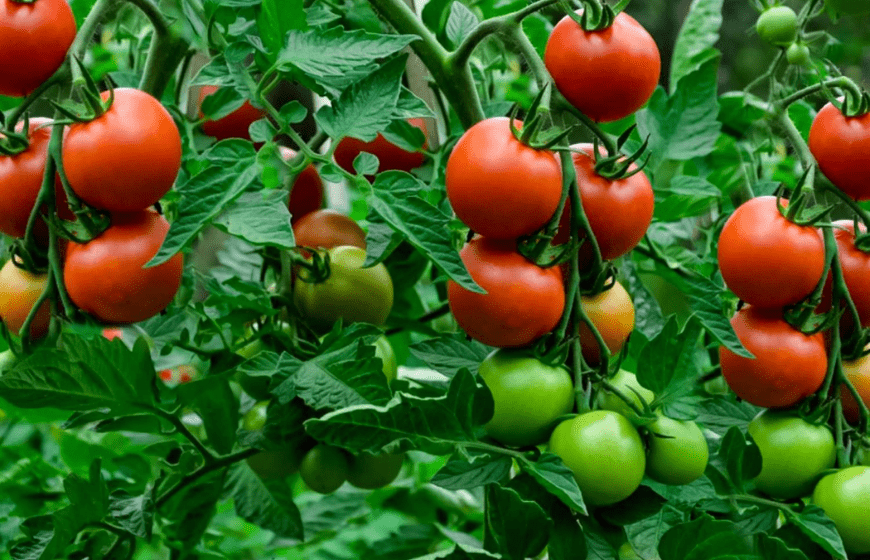
Are Hydroponic Vegetables More Nutritious Than Organic Vegetables?
- 05 Jun, 2026
- Posted by ruchit seo.inhydro
- 0 Comment(s)
Consumers today are more health-conscious than ever before. With supermarket shelves stocked with both hydroponic and organic vegetables, a critical question has emerged:
Are hydroponic vegetables more nutritious than organic vegetables?
This is not a simple yes-or-no question. The nutritional value of any vegetable depends on multiple factors — growing environment, nutrient management, harvest timing, and post-harvest handling. In this comprehensive guide, we compare hydroponic vegetables and organic vegetables across every meaningful dimension so you can make the most informed decision for your health and your family.
Whether you are a health-conscious shopper, a farmer, or simply someone who wants to eat better, this article will give you science-backed answers, clear comparisons, and practical guidance.
What Are Hydroponic Vegetables?
Hydroponic vegetables are crops grown without soil. Instead of extracting minerals from the ground, plants receive their nutrients through a precisely formulated, water-based nutrient solution delivered directly to their roots.
Hydroponic farming takes place in controlled environments — indoors, in greenhouses, or in vertical farms — where every variable including temperature, humidity, light intensity, CO₂ levels, and nutrient concentration is carefully monitored and adjusted.
Commonly grown hydroponic vegetables include:
- Lettuce and leafy greens
- Spinach and kale
- Cucumbers and tomatoes
- Bell peppers
- Herbs such as basil, mint, and coriander
Because growing conditions remain stable year-round, hydroponic vegetables deliver consistent size, colour, taste, and nutritional quality — regardless of the outdoor season or weather.
What Are Organic Vegetables?
Organic vegetables are grown in natural soil using certified organic inputs. Organic farming prohibits the use of synthetic pesticides, chemical fertilisers, and genetically modified organisms (GMOs). Instead, it relies on compost, natural manure, crop rotation, and biological pest control to nourish plants and manage pests.
Commonly grown organic vegetables include:
- Carrots, tomatoes, and spinach
- Broccoli, cauliflower, and cabbage
- Beetroot, sweet potatoes, and onions
- Capsicums and leafy greens
Organic farming prioritises soil biodiversity, long-term land health, and ecological sustainability. Healthy soil teems with microorganisms that break down organic matter and release nutrients in forms plants can absorb.
Hydroponic Vegetables vs Organic Vegetables: A Detailed Comparison
1. Nutrient Delivery and Absorption
This is where hydroponic farming holds a clear, measurable advantage.
In soil-based organic farming, the nutrients available to a plant depend on the quality of the soil, the activity of billions of soil microbes, seasonal weather patterns, rainfall, and soil pH levels. Even in well-managed organic farms, nutrient availability can fluctuate significantly from one crop cycle to the next.
In hydroponic systems, growers formulate nutrient solutions that deliver precise concentrations of every essential mineral directly to the plant roots — including calcium, magnesium, potassium, iron, phosphorus, zinc, and manganese. There is no guesswork and no reliance on unpredictable biological soil processes.
The result: Hydroponic plants receive exactly what they need, when they need it, at every growth stage. This enables growers to optimise each mineral for maximum uptake and growth.
2. Are Hydroponic Vegetables Actually More Nutritious?
Multiple research studies published in peer-reviewed journals have compared the nutrient profiles of hydroponically grown and organically grown vegetables.
The general findings suggest:
- Hydroponic vegetables can achieve equal or higher levels of key vitamins and minerals compared to their organic counterparts when nutrient solutions are well-managed.
- Hydroponic lettuce, spinach, and herbs have been found to contain higher concentrations of Vitamin C, Vitamin B9 (folate), calcium, iron, and antioxidants in several studies.
- Organic vegetables can also be nutrient-dense, particularly when grown in rich, biologically active soils with careful crop rotation and composting practices.
The critical takeaway from the research is this: the growing method alone does not determine nutritional value. What matters more is the quality of inputs — whether that means a well-designed nutrient solution in hydroponics or healthy, mineral-rich, biologically active soil in organic farming.
Both methods, when executed correctly, can produce highly nutritious vegetables.
3. The Role of Freshness in Nutritional Value
Here is a factor that many consumers overlook — and it may be more important than the growing method itself.
After vegetables are harvested, they begin losing nutrients almost immediately. Water-soluble vitamins such as Vitamin C and the B-group vitamins are especially vulnerable to degradation. Antioxidants also break down rapidly when produce is exposed to heat, light, and oxygen during transportation and storage.
Consider the typical journey of a conventionally grown organic vegetable:
- Harvested at a farm that may be hundreds or thousands of kilometres away.
- Loaded onto refrigerated trucks for long-haul transport.
- Received at a distribution centre.
- Transported again to retail stores.
- Displayed on supermarket shelves for days.
- Purchased and stored at home before consumption.
From farm to fork, this can take anywhere from several days to several weeks. During this entire period, nutritional quality is declining.
Hydroponic vegetables, by contrast, are typically grown:
- In urban or peri-urban farms closer to consumers.
- Harvested to order or in small daily batches.
- Delivered directly to customers, restaurants, or retail partners within 24 to 48 hours of harvest.
This dramatically shorter supply chain means hydroponic vegetables often retain significantly more of their vitamins, antioxidants, and phytonutrients by the time they reach your plate — regardless of their initial nutrient profile during growth.
In practical terms, a freshly harvested hydroponic tomato consumed the same day may deliver more usable nutrition than an organic tomato harvested a week ago and transported across the country.
Key Benefits of Hydroponic Vegetables
Precise and Consistent Nutrition
Hydroponic systems allow growers to dial in the exact nutrient formula for each crop variety and growth stage. The result is produce that delivers consistent vitamin and mineral content with every harvest, every week of the year.
Cleaner Produce with Fewer Contaminants
Because hydroponic vegetables are grown without soil, they do not carry soil-borne bacteria such as E. coli or Salmonella, which occasionally contaminate field-grown produce. They require minimal washing and have a lower risk of pesticide residues from soil or surrounding fields.
Reduced Pesticide Dependency
Controlled growing environments significantly reduce pest pressure. Many hydroponic farms use integrated pest management or biological controls, reducing or eliminating the need for chemical pesticides entirely.
Superior Water Efficiency
Hydroponic farming recirculates water through its systems, using up to 90% less water than traditional field agriculture. In water-stressed regions like India, where water scarcity is a growing concern, this efficiency is both economically and environmentally significant.
Year-Round Availability of Fresh Produce
Traditional farming is constrained by seasons, monsoons, droughts, and temperature extremes. Hydroponic farms operate indoors with climate control, producing fresh vegetables 365 days a year regardless of outdoor conditions — ensuring supply and price stability for consumers.
Faster Growth Cycles
Hydroponic plants often grow 30–50% faster than soil-grown plants because nutrients are immediately bioavailable and growing conditions are optimised. This means more frequent harvests and a continuous supply of ultra-fresh produce.
Key Benefits of Organic Vegetables
Natural Ecosystem Integration
Organic farming works with nature rather than around it. Healthy organic soils support earthworms, fungi, bacteria, and other organisms that form a complex nutrient web benefiting not just crops but entire ecosystems.
Phytochemical Diversity from Soil Stress
Some research suggests that organically grown vegetables may produce more diverse secondary metabolites — compounds such as polyphenols and flavonoids — because plants in natural soil environments respond to mild environmental stressors. These phytochemicals can have beneficial effects on human health.
Long-Term Soil and Environmental Health
By avoiding synthetic chemicals and building organic matter in the soil, organic farming contributes to long-term land productivity, carbon sequestration, and biodiversity conservation. These are important environmental benefits that extend well beyond individual crop nutrition.
No Synthetic Chemical Residues
Certified organic produce is grown without synthetic pesticide applications, which gives many consumers peace of mind, particularly for produce consumed raw or with skin on.
Head-to-Head Comparison: Hydroponic vs Organic Vegetables
| Feature | Hydroponic Vegetables | Organic Vegetables |
|---|---|---|
| Nutrient Control | Precise and consistent | Dependent on soil quality |
| Freshness at Point of Sale | Excellent (short supply chain) | Good to variable |
| Pesticide Residue Risk | Very low | Low (certified organic) |
| Water Usage | Very low (up to 90% less) | Higher |
| Year-Round Availability | Yes | Seasonal |
| Soil Health Benefits | Not applicable | Yes |
| Phytochemical Diversity | Good | Potentially higher |
| Consistency of Quality | Very high | Variable |
| Environmental Sustainability | High | High |
| Chemical Fertilisers Used | No | No |
Which Is the Better Choice for Your Health?
The honest answer is: both can be excellent choices, and the best decision depends on your priorities.
Choose hydroponic vegetables if you:
- Want maximum freshness and the shortest possible time from farm to fork.
- Prefer produce that is consistent in quality, size, and nutritional value.
- Are concerned about soil contamination, pesticide residues, or food hygiene.
- Want access to fresh greens and vegetables throughout the year, including off-season months.
- Support water conservation and urban agriculture.
Choose organic vegetables if you:
- Prioritise traditional soil-based farming and its ecological benefits.
- Prefer produce that supports long-term soil health and biodiversity.
- Want to support local organic farmers in your region.
- Value the potential phytochemical benefits associated with naturally stressed soil-grown plants.
For many health-conscious consumers, a combination of both — hydroponic vegetables for leafy greens, herbs, and tomatoes, and organic vegetables for root vegetables and seasonal produce — represents the most nutritionally diverse and environmentally responsible approach.
The Bottom Line: Are Hydroponic Vegetables More Nutritious?
Based on current research and agricultural science, hydroponic vegetables can be just as nutritious as — and in some cases more nutritious than — organic vegetables, particularly when:
- The hydroponic nutrient solution is scientifically formulated and well-managed.
- Vegetables are harvested fresh and delivered quickly to consumers.
- Produce is consumed close to its harvest date, maximising vitamin and antioxidant content.
However, it would be inaccurate to declare either method universally superior. The nutritional outcome of both hydroponic and organic vegetables is ultimately a function of how well the system is managed — not simply a result of the growing method itself.
What is consistently true across both methods is that freshness wins. The fresher the vegetable, the more nutrition it delivers to you. This is why sourcing from local hydroponic farms or nearby organic farms will almost always give you better nutritional value than imported produce that has spent weeks in cold storage.
Conclusion
The debate between hydroponic vegetables and organic vegetables is not one that produces a clear winner — and it does not need to. Both methods, when practised responsibly, produce vegetables of excellent nutritional quality.
What matters most to your health is eating a wide variety of fresh vegetables, minimising the time between harvest and consumption, and choosing produce grown by farmers who genuinely prioritise quality over yield.
As urban hydroponic farming continues to grow — bringing farms closer to consumers in cities like Delhi, Mumbai, and Bengaluru — the case for locally grown hydroponic vegetables becomes increasingly compelling from both a nutritional and a sustainability perspective.
At InhydroGreens, we grow premium hydroponic vegetables in state-of-the-art controlled environments designed for maximum freshness, hygiene, and nutritional quality. Every vegetable is harvested at peak readiness and delivered directly to your doorstep — giving you the cleanest, freshest, most nutrient-rich produce available. Explore our full range today and experience the difference that truly fresh vegetables make.
FAQs
Q: Are hydroponic vegetables safe to eat?
Yes. Hydroponic vegetables are grown in controlled, soil-free environments with very low exposure to pesticides, soil-borne pathogens, and contaminants. They are considered safe and are consumed widely across the world.
Q: Do hydroponic vegetables taste different from organic vegetables?
Many consumers report that freshly harvested hydroponic vegetables — particularly lettuce, tomatoes, and herbs — have a noticeably clean, fresh flavour due to the short time between harvest and consumption.
Q: Are hydroponic vegetables organic?
Not automatically. Hydroponic vegetables are grown without soil but may or may not be certified organic depending on whether the nutrient inputs used meet organic certification standards.
Q: Which vegetables grow best hydroponically?
Leafy greens (lettuce, spinach, kale), herbs (basil, mint, coriander), tomatoes, cucumbers, and bell peppers are among the most productive hydroponic crops.
