
Hydroponic Lettuce: Benefits, Nutrition, Varieties & Uses
- 05 Jun, 2026
- Posted by awneesh007@gmail.com
- 0 Comment(s)
Hydroponic Lettuce: Benefits, Nutrition, Varieties & Uses
If you have noticed more crisp, vibrant lettuce appearing on restaurant menus, in premium salad kits, and on supermarket shelves, there is a good reason. Hydroponic lettuce has become the preferred choice for consumers, chefs, and food businesses who refuse to compromise on freshness, quality, or nutrition.
Grown without soil in precisely controlled environments, hydroponic lettuce delivers a consistently superior product — cleaner leaves, richer colour, better texture, and longer shelf life — that traditional field farming simply cannot replicate with the same reliability. And as awareness of what we eat and how it is grown continues to rise, hydroponic lettuce is moving from a niche product to a mainstream staple.
This guide covers everything you need to know: what hydroponic lettuce is, its full nutritional profile, the health benefits backed by evidence, the most popular varieties, and why it has become the go-to choice for home cooks, restaurants, and health-conscious consumers alike.
What Is Hydroponic Lettuce?
Hydroponic lettuce is lettuce cultivated without soil. Rather than drawing minerals from the ground, plants are grown in a controlled environment — typically a greenhouse, vertical farm, or indoor growing facility — where their roots receive a carefully balanced, water-based nutrient solution containing every mineral essential for healthy growth.
This method, known as hydroponic farming, gives growers precise control over every variable that affects plant development: nutrient concentration, water pH, temperature, humidity, light spectrum, and COâ‚‚ levels. The result is lettuce that grows faster, more consistently, and with greater predictability than its conventionally farmed counterpart.
Hydro lettuce, as it is often called in the industry, typically reaches harvest maturity in 30 to 45 days — significantly faster than soil-grown varieties. Each harvest produces heads of uniform size, colour, and texture, which is why food service businesses in particular have embraced it so enthusiastically.
What makes hydroponic lettuce genuinely different is not just how it is grown but what that growing method means for the end consumer: produce that is cleaner, fresher, and more nutritionally intact by the time it reaches your plate.Lettuce Nutrition: What Does Lettuce Actually Give You?
Before exploring the specific benefits of hydroponic lettuce, it is worth understanding why lettuce — in any form — earns its place as a dietary staple. Lettuce nutrition is often underestimated. It is far more than just a crunchy, water-filled filler.
Nutritional Profile Per 100g of Fresh Lettuce
| Nutrient | Amount |
|---|---|
| Calories | ~15 kcal |
| Water | ~95% |
| Protein | 1.4g |
| Carbohydrates | 2.9g |
| Dietary Fibre | 1.3g |
| Vitamin A (as beta-carotene) | High |
| Vitamin C | Good |
| Vitamin K | Excellent |
| Folate (Vitamin B9) | Good |
| Potassium | Moderate |
| Calcium | Present |
| Magnesium | Present |
| Iron | Present |
| Antioxidants | Present |
At just 15 calories per 100 grams, lettuce delivers a meaningful spread of micronutrients. It is particularly notable for its Vitamin K content — a nutrient many people do not consume in adequate amounts — as well as its folate, Vitamin A, and antioxidant compounds.
Freshly harvested hydroponic lettuce retains these nutrients more effectively than produce that has spent days in refrigerated transit, because post-harvest nutrient degradation — particularly of water-soluble vitamins like Vitamin C and folate — begins almost immediately after cutting.
Top Lettuce Benefits Supported by Nutritional Science
1. Effective Support for Weight Management
Of all the lettuce benefits, its role in weight management is perhaps the most immediately practical. With approximately 15 calories per 100 grams, lettuce allows you to eat a generous, satisfying volume of food without meaningfully increasing your daily calorie intake.
The dietary fibre in lettuce also contributes to a feeling of fullness, helping to curb overeating. For anyone following a calorie-conscious diet, building meals around a base of fresh lettuce is one of the most sensible and evidence-supported habits you can adopt.
2. Contributes Meaningfully to Daily Hydration
Lettuce is approximately 95% water by weight. While it does not replace drinking water, regular consumption of fresh lettuce contributes to your daily fluid intake and supports the bodily processes that depend on adequate hydration — including circulation, temperature regulation, kidney function, and skin health.
This is particularly relevant in warm climates, where dehydration is a more persistent concern and high-water-content foods play a genuine role in maintaining hydration levels throughout the day.
3. Supports Digestive Health and Gut Function
The dietary fibre present in lettuce acts as a prebiotic, feeding the beneficial bacteria in your gut microbiome. A healthy gut microbiome is increasingly recognised as central to overall health — influencing not just digestion but immune function, mental health, and metabolic efficiency.
Regular consumption of fibre-rich vegetables like fresh lettuce supports regular bowel movements, reduces bloating, and contributes to the kind of gut environment where beneficial bacteria thrive.
4. Strengthens and Protects Bone Health
Lettuce is one of the more accessible dietary sources of Vitamin K, a nutrient that plays a direct role in bone metabolism. Vitamin K activates osteocalcin — the protein responsible for binding calcium into bone tissue — and supports the maintenance of bone mineral density over time.
For individuals who do not regularly consume other Vitamin K-rich foods such as spinach, kale, or broccoli, incorporating lettuce consistently into daily meals is a practical way to support long-term skeletal health.
5. Protects Cardiovascular Health
Potassium in lettuce helps regulate blood pressure by counteracting the vasoconstrictive effects of sodium. The antioxidant compounds in lettuce — including beta-carotene, Vitamin C, and various polyphenols — also help neutralise free radicals that contribute to arterial inflammation and oxidative stress, both of which are risk factors for cardiovascular disease.
A diet consistently rich in fresh leafy vegetables like lettuce is one of the strongest dietary predictors of long-term heart health in nutritional research.
6. Strengthens Immune Function
Vitamins A and C are both key regulators of immune system activity. Vitamin A maintains the integrity of mucosal barriers — your first line of defence against pathogens — while Vitamin C supports the production and function of white blood cells. Together, they make fresh lettuce a meaningful contributor to immune resilience, particularly when consumed as part of a diet rich in varied vegetables.
7. Supports Skin Health and Appearance
Vitamin A drives skin cell turnover, helping maintain smooth, clear skin. Vitamin C is essential for collagen synthesis — the structural protein that gives skin its elasticity and firmness. The antioxidants in lettuce also help protect skin cells from UV-induced oxidative damage.
Regular consumption of fresh lettuce, combined with adequate hydration from its high water content, supports the kind of skin health that expensive topical products attempt to replicate from the outside.
8. Beneficial for Eye Health
Beta-carotene, which the body converts to Vitamin A, is essential for maintaining healthy retinal function and supporting low-light vision. Darker lettuce varieties — romaine and leaf lettuce in particular — contain meaningful amounts of beta-carotene and lutein, an antioxidant specifically associated with reduced risk of age-related macular degeneration and cataracts.
Popular Lettuce Varieties: Which Should You Choose?
Hydroponic farming is ideally suited to producing a wide range of lettuce varieties, each with its own distinctive character, texture, and best use in the kitchen.
Iceberg Lettuce
Iceberg lettuce is one of the most widely consumed lettuce varieties in the world, and for good reason. Its defining qualities are its dense, tightly packed head, extraordinarily crisp texture, and mild, refreshing flavour. Hydroponic iceberg lettuce delivers these qualities with exceptional consistency — the same satisfying crunch in every head, every time.
Best used in: Burgers, sandwiches, tacos, wraps, and raw salads where crunch is the priority.
Romaine Lettuce
Romaine lettuce is the most nutrient-dense of the mainstream lettuce varieties, with higher concentrations of Vitamin A, Vitamin K, and folate than iceberg. Its long, sturdy leaves hold up beautifully to dressings and toppings without wilting, making it the natural choice for Caesar salads and hearty meal bowls. Hydroponic romaine lettuce consistently produces well-formed heads with excellent shelf life.
Best used in: Caesar salads, grain bowls, grilled preparations, and substantial wraps.
Butter Lettuce
Butter lettuce — sometimes called Boston or Bibb lettuce — is named for the velvety, almost melt-in-the-mouth quality of its leaves. Its flavour is delicate and mildly sweet, making it a favourite in upscale restaurants and home kitchens that prioritise texture and elegance over crunch. The cup-shaped leaves are also ideal for use as natural edible vessels.
Best used in: Gourmet salads, lettuce cups with Asian-inspired fillings, fine dining presentations, and light summer dishes.
Butterhead Lettuce
Butterhead lettuce shares many characteristics with butter lettuce — tender leaves, a loosely formed head, and a gentle, pleasant flavour — but tends to have a slightly more structured form. It is a versatile everyday lettuce that works equally well in simple home salads and professional kitchen preparations.
Best used in: Everyday salads, sandwiches, and dishes where a mild flavour profile is preferred.
Leaf Lettuce (Red and Green)
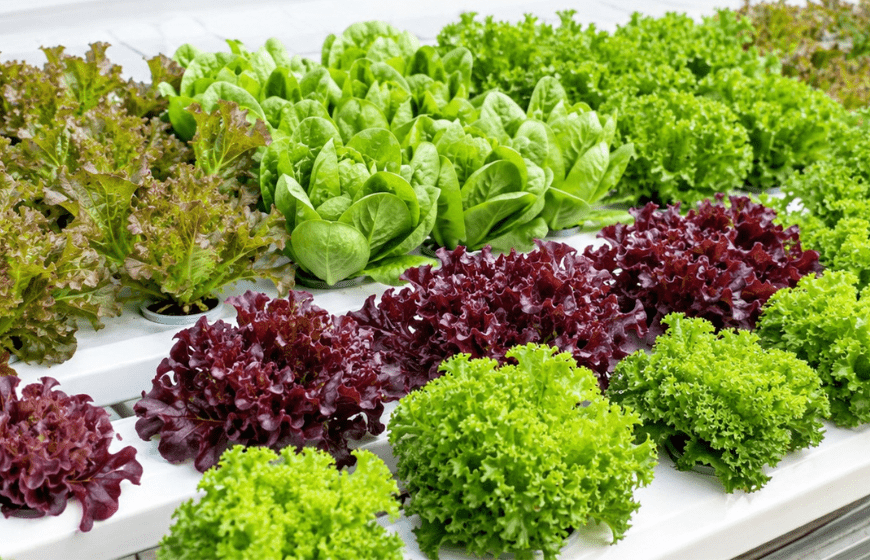
Loose-leaf lettuce varieties — including red oak leaf and green leaf — are among the fastest-growing hydroponic crops. Their loose, frilled leaves offer beautiful visual variety and a tender texture. Red varieties carry additional antioxidant compounds from the anthocyanins responsible for their colour. Both green and red leaf lettuce are staples of premium mixed salad blends.
Best used in: Mixed salads, side salads, garnishes, and colourful plate presentations.
Why Hydroponic Lettuce Is the Smarter Choice
Cleaner, Safer Produce
Because hydroponic lettuce never contacts soil, it is not exposed to soil-borne bacteria, fungi, or the runoff contamination that occasionally affects field crops. The sealed growing environment also significantly reduces the need for pesticides. The result is cleaner leaves that require minimal washing and carry lower residue risk.
Consistent Quality Every Time
Controlled environments eliminate the variability that weather, pests, and seasonal soil conditions introduce in traditional farming. Every head of hydroponic lettuce meets the same quality standard — uniform size, consistent colour, predictable texture. For food businesses, this consistency is invaluable.
Harvested Fresh, Delivered Faster
Most hydroponic lettuce operations are located in or near urban areas, dramatically shortening the supply chain. Where conventional lettuce may spend a week or more in cold-chain transit from a distant farm, hydroponic lettuce can travel from harvest to consumer within 24 to 48 hours. This means more vitamins, better texture, and longer remaining shelf life when it reaches you.
Available 365 Days a Year
Hydroponic farms are not governed by seasons. Whether it is peak summer or the middle of monsoon season, the growing environment remains stable and production continues uninterrupted. Consumers and businesses enjoy consistent supply and stable pricing year-round.
Why Restaurants and Hotels Choose Hydroponic Lettuce
For food service operations — restaurants, hotels, cafés, caterers, and cloud kitchens — the case for hydroponic lettuce is especially compelling. Consistency, presentation, and supply reliability are non-negotiable at a professional level. Hydroponic lettuce delivers on all three.
Reduced wastage from uniform sizing, fewer rejected heads due to damage or contamination, and the ability to forecast supply with confidence make hydroponic lettuce the practical and economical choice for high-volume food operations.
Versatile Uses of Fresh Lettuce in the Kitchen
Fresh hydroponic lettuce is one of the most adaptable ingredients in any kitchen.
Salads — From a simple dressed green salad to an elaborate composed plate, lettuce is the foundation. Different varieties offer different textural and flavour profiles to suit every occasion.
Burgers and Sandwiches — Iceberg lettuce is the classic choice, delivering crunch and moisture that elevates any burger or club sandwich.
Wraps and Lettuce Cups — Butterhead and romaine leaves are ideal for wrapping fillings, offering a satisfying low-carb alternative to bread and tortillas.
Healthy Bowls — A base of romaine or leaf lettuce transforms grain bowls, protein bowls, and noodle dishes into genuinely nutritious meals.
Smoothies and Juices — Mild leaf lettuce blends seamlessly into green smoothies, contributing vitamins and chlorophyll without altering the flavour profile significantly.
Garnishing and Plating — The visual variety of hydroponic lettuce — from the deep red of oak leaf to the pale green of butterhead — makes it one of the most useful ingredients for professional food presentation.
Frequently Asked Questions
Is hydroponic lettuce healthy? Yes. Hydroponic lettuce contains essential vitamins including A, C, and K, along with folate, potassium, fibre, and antioxidants. When freshly harvested and consumed close to its harvest date, it delivers excellent nutritional value.
What are the main lettuce benefits? The primary benefits include support for weight management, daily hydration, digestive health, bone strength, cardiovascular health, immune function, and skin health.
Which lettuce variety is best? It depends on your use. Romaine is the most nutrient-dense. Iceberg delivers the best crunch. Butter and butterhead are ideal for delicate dishes. Leaf lettuce is best for visually varied salads.
Why do restaurants prefer hydroponic lettuce? Restaurants choose hydroponic lettuce for its consistent quality, uniform sizing, premium appearance, superior freshness, and reliable year-round availability — all critical factors for professional food service.
Is hydroponic lettuce available year-round? Yes. Hydroponic farms operate in controlled environments unaffected by seasonal or weather constraints, enabling continuous production throughout the year.
Conclusion
Hydroponic lettuce is not simply a trend — it is a meaningful evolution in how we grow, source, and consume one of the world’s most popular vegetables. From its impressive lettuce nutrition profile and wide-ranging health benefits to the exceptional quality of varieties like iceberg lettuce, romaine lettuce, butter lettuce, and leaf lettuce, hydroponic cultivation consistently outperforms conventional alternatives in freshness, cleanliness, and reliability.
For health-conscious consumers who want to know exactly what is in their food and where it comes from, and for food businesses that demand consistency and quality in every delivery, fresh hydroponic lettuce represents the smartest choice available today.
At INHYDROGREENS we grow premium hydroponic lettuce in state-of-the-art controlled environments — harvested fresh and delivered directly to you. Explore our full range and experience what truly fresh lettuce tastes like.
