
Fresh Cut Vegetables vs Whole Vegetables: Which Is Better for Your Health?
- 10 Jul, 2026
- Posted by ruchit seo.inhydro
- 0 Comment(s)
Fresh vegetables are an essential part of a healthy and balanced diet. They provide vitamins, minerals, antioxidants, and dietary fiber that help support overall health. However, in today’s fast-paced lifestyle, finding time to wash, peel, and chop vegetables every day can be challenging. This is one of the biggest reasons why fresh cut vegetables have become increasingly popular among busy professionals, families, restaurants, cloud kitchens, and health-conscious individuals.
Despite their growing popularity, many people still wonder whether fresh cut vegetables are as healthy as whole vegetables. Some believe cutting vegetables reduces their nutritional value, while others worry about freshness, hygiene, or shelf life. These concerns are understandable because not all fresh cut vegetables are processed or stored in the same way.
The truth is that the nutritional quality and freshness of fresh cut vegetables largely depend on how they are prepared, packaged, and stored. Vegetables that are hygienically washed, properly cut, vacuum packed, and kept under refrigeration can remain fresh and nutritious while offering significant convenience.
In this comprehensive guide, we’ll compare fresh cut vegetables vs whole vegetables based on nutrition, freshness, convenience, food safety, shelf life, cost, and overall value. By the end, you’ll have a clear understanding of which option is best for your lifestyle and cooking needs.
What Are Fresh Cut Vegetables?
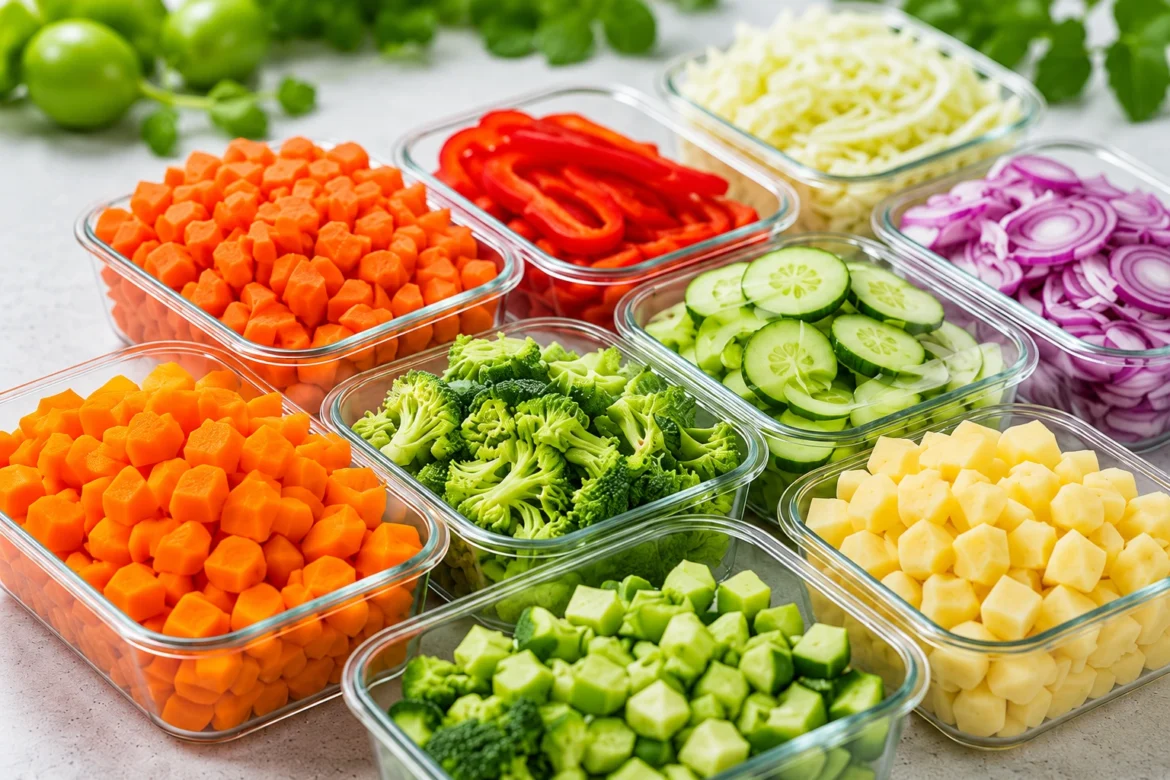
Fresh cut vegetables are vegetables that have already been cleaned, trimmed, peeled (if necessary), and cut into different shapes before reaching the customer. They are designed to reduce preparation time while maintaining freshness and quality.
Depending on the recipe, vegetables can be prepared in various cutting styles, including:
- Diced vegetables
- Sliced vegetables
- Julienne vegetables
- Grated vegetables
- Peeled vegetables
- Chopped vegetables
These vegetables are commonly packed in food-grade packaging, and many premium suppliers use vacuum packaging or modified atmosphere packaging to help preserve freshness during storage and transportation.
Fresh cut vegetables are commonly used by:
- Busy families
- Working professionals
- Restaurants
- Cafés
- Cloud kitchens
- Catering businesses
- Meal prep enthusiasts
- Students living away from home
Instead of spending 20–30 minutes washing and chopping vegetables, customers can start cooking immediately, making meal preparation faster and more convenient.
What Are Whole Vegetables?
Whole vegetables are vegetables sold in their natural, unprocessed form. They have not been peeled, chopped, sliced, or otherwise prepared before purchase.
Examples include:
- Whole onions
- Whole carrots
- Whole potatoes
- Whole broccoli
- Whole cabbage
- Whole capsicum
- Whole tomatoes
Buying whole vegetables gives consumers complete control over how the vegetables are cleaned, peeled, cut, and cooked. Many people prefer whole vegetables because they believe they stay fresh longer and offer maximum flexibility in the kitchen.
However, preparing whole vegetables also requires more time and effort. Before cooking, most vegetables need to be:
- Washed thoroughly
- Peeled (if required)
- Trimmed
- Cut into the desired shape
- Cleaned again if necessary
For individuals with busy schedules, this preparation process can become time-consuming, especially when cooking every day.
Why This Comparison Matters
Choosing between fresh cut vegetables and whole vegetables isn’t simply about convenience—it also involves considering factors such as nutrition, freshness, hygiene, storage, and food waste.
For example:
- A working professional may value the time saved by ready-to-cook vegetables.
- A restaurant may prioritize consistent cuts and faster kitchen preparation.
- A family may want vegetables that are hygienically processed and easy to cook after a long day.
- Someone who enjoys preparing every ingredient from scratch may still prefer whole vegetables.
The best choice depends on your lifestyle, cooking habits, and how the vegetables are handled before they reach your kitchen.
In the next section, we’ll compare fresh cut vegetables and whole vegetables in detail, starting with nutrition, freshness, food safety, shelf life, and convenience.
Nutrition Comparison: Do Fresh Cut Vegetables Lose Nutrients?
One of the most common concerns people have is whether fresh cut vegetables lose their nutritional value after being chopped or sliced. The simple answer is that fresh cut vegetables can remain highly nutritious when they are processed hygienically, stored correctly, and consumed within their recommended shelf life.
Vegetables naturally contain vitamins, minerals, antioxidants, dietary fiber, and plant compounds that support overall health. Once vegetables are cut, exposure to air and light may gradually reduce some sensitive nutrients—particularly certain vitamins such as vitamin C. However, this does not mean that fresh cut vegetables suddenly become unhealthy or lose all their nutritional value.
In fact, when vegetables are:
- Harvested fresh
- Washed properly
- Cut under hygienic conditions
- Vacuum packed or sealed appropriately
- Refrigerated continuously
they can retain much of their nutritional quality while offering the convenience of being ready to cook.
Whole vegetables also experience nutrient changes over time during transportation and storage. A whole vegetable that sits unrefrigerated for several days may also lose freshness and some nutrients.
The key difference is not whether the vegetable is cut or whole—it is how fresh it is and how well it has been handled.
Nutritional Comparison
| Fresh Cut Vegetables | Whole Vegetables |
|---|---|
| Rich in vitamins and minerals when freshly processed | Rich in vitamins and minerals |
| Ready to cook immediately | Requires washing and preparation |
| Nutrients remain high when properly refrigerated | Can remain fresh longer before cutting |
| Easy to include in daily meals | More preparation required |
For most people, increasing daily vegetable consumption is more important than worrying about small nutritional differences. If ready-to-cook vegetables encourage healthier eating habits, they can be an excellent addition to a balanced diet.
Freshness Comparison
Freshness is another important factor when comparing fresh cut vegetables with whole vegetables.
Many people assume that whole vegetables are always fresher. However, freshness depends largely on:
- Harvesting time
- Storage conditions
- Temperature control
- Packaging quality
- Transportation
A freshly harvested vegetable that is washed, cut, vacuum packed, and refrigerated immediately can remain fresh for an appropriate period when handled correctly.
On the other hand, whole vegetables that remain exposed to heat or are stored improperly may lose moisture, become soft, or spoil before they are even used.
Premium suppliers maintain freshness through:
- Careful vegetable selection
- Hygienic preparation
- Immediate packaging
- Cold-chain storage
- Timely delivery
When buying fresh cut vegetables, always choose suppliers who clearly mention hygienic processing, refrigeration, and recommended storage instructions.
Hygiene Comparison
Food safety is one of the biggest considerations when purchasing fresh vegetables.
With whole vegetables, consumers usually wash and prepare them at home. The cleanliness of the final product depends on household preparation methods.
Fresh cut vegetables, however, should ideally be processed in a clean food-processing environment using strict hygiene practices.
A quality supplier typically follows steps such as:
- Sorting fresh vegetables
- Removing damaged produce
- Washing thoroughly
- Cutting with sanitized equipment
- Packing in food-grade packaging
- Maintaining refrigeration
These practices help reduce contamination risks and provide consistent quality.
As a consumer, it’s always worth checking whether the supplier emphasizes hygienic preparation and proper storage rather than assuming all pre-cut vegetables are processed the same way.
Shelf Life Comparison
Shelf life is another area where many buyers have questions.
Whole vegetables generally remain usable for a longer period before being cut because their natural outer surface provides some protection.
Once vegetables are peeled or cut, they become more sensitive to air and moisture, making proper storage especially important.
Fresh cut vegetables should always be:
- Refrigerated promptly
- Stored according to the supplier’s instructions
- Kept sealed until use whenever possible
- Consumed within the recommended time frame
Vacuum packaging and continuous refrigeration can help slow spoilage and maintain freshness, but they do not make vegetables last indefinitely.
Shelf Life Comparison
| Fresh Cut Vegetables | Whole Vegetables |
|---|---|
| Best consumed within the recommended shelf life | Often remain usable longer before preparation |
| Convenient for immediate cooking | Longer storage before cutting |
| Require refrigeration after purchase | Refrigeration also recommended for many vegetables |
Planning meals in advance helps reduce waste regardless of which option you choose.
Convenience Comparison
Convenience is where fresh cut vegetables truly stand out.
Preparing vegetables from scratch often involves several steps:
- Washing
- Peeling
- Trimming
- Chopping
- Cleaning the cutting board
- Cleaning the knife
- Disposing of vegetable waste
For many households, this preparation can take 20–30 minutes before cooking even begins.
Fresh cut vegetables eliminate much of this preparation work.
They are particularly useful for:
- Busy professionals
- Parents with limited cooking time
- Students
- Senior citizens
- Restaurants
- Cafés
- Cloud kitchens
Instead of spending valuable time preparing ingredients, cooking can begin almost immediately.
This convenience also encourages people to prepare home-cooked meals more often, which may support healthier eating habits compared with relying on highly processed convenience foods.
